













Description



SAFETY FEATURES
1. KEY FEATURES & BENEFITS
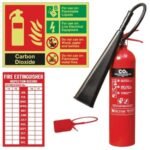
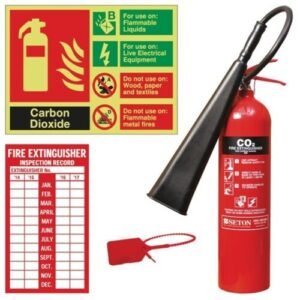
- SUITABLE FOR CLASS B FIRES: CO2 fire extinguishers are key for electrical and flammable liquid fires (Class B) because they release non-residue, non-conductive carbon dioxide to suffocate flames, making them ideal for electronics, server rooms, offices, and workshops, but they must be used carefully in confined spaces due to asphyxiation risk and are not for wood/paper fires (Class A) or cooking oils (Class F).
- NO RESIDUE: Leaves no messy powder or liquid, protecting sensitive equipment like computers and control panels.
- ELECTRICAL SAFETY: Non-conductive, making it safe for live electrical fires (Class C).
- SUFFOCATES FLAMES: Displaces oxygen, smothering the fire.
- FAST-ACTING: Quickly puts out fires involving flammable liquids (Class B) like petrol, oil, and solvents.
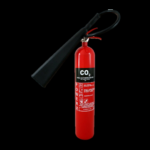
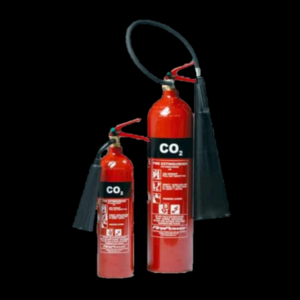
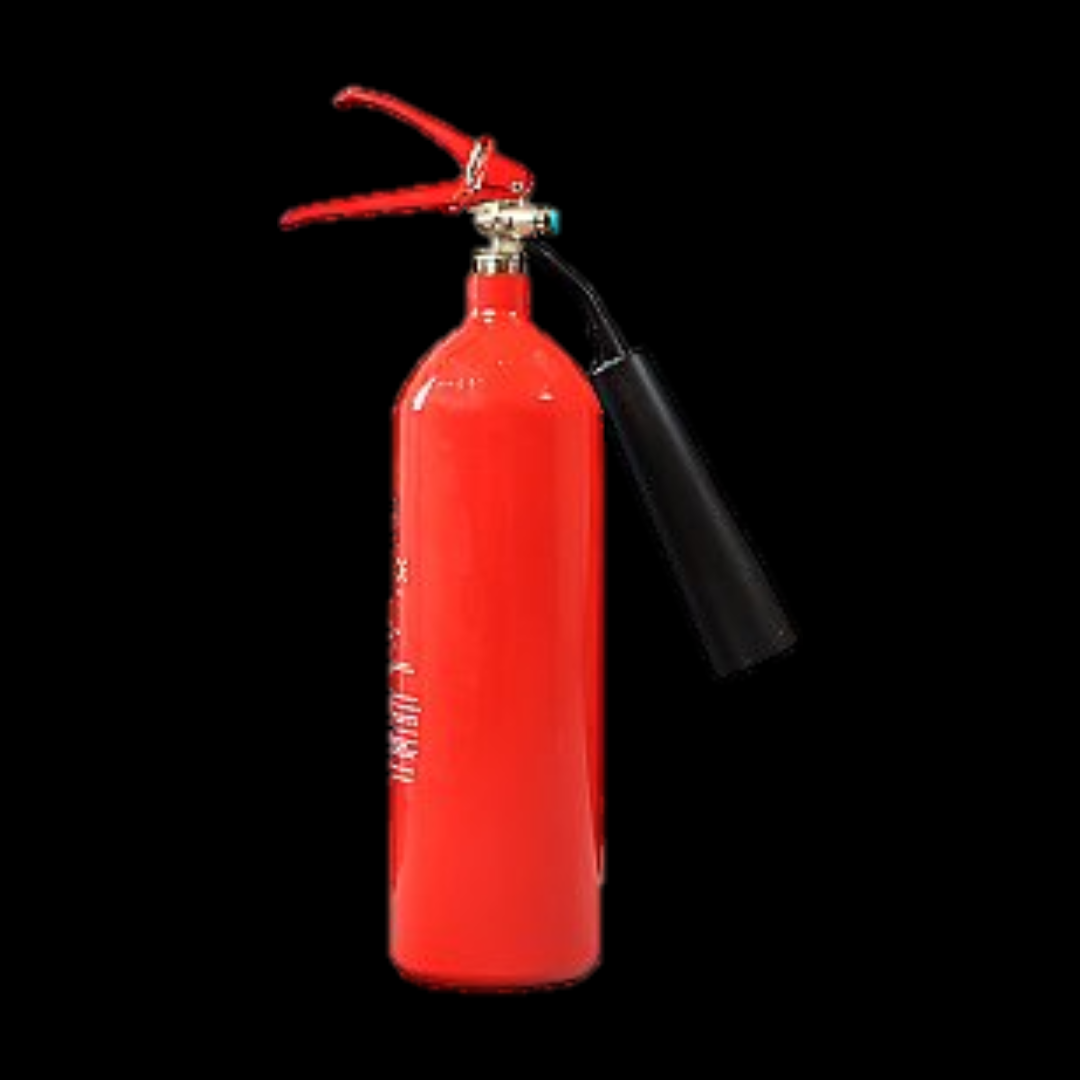
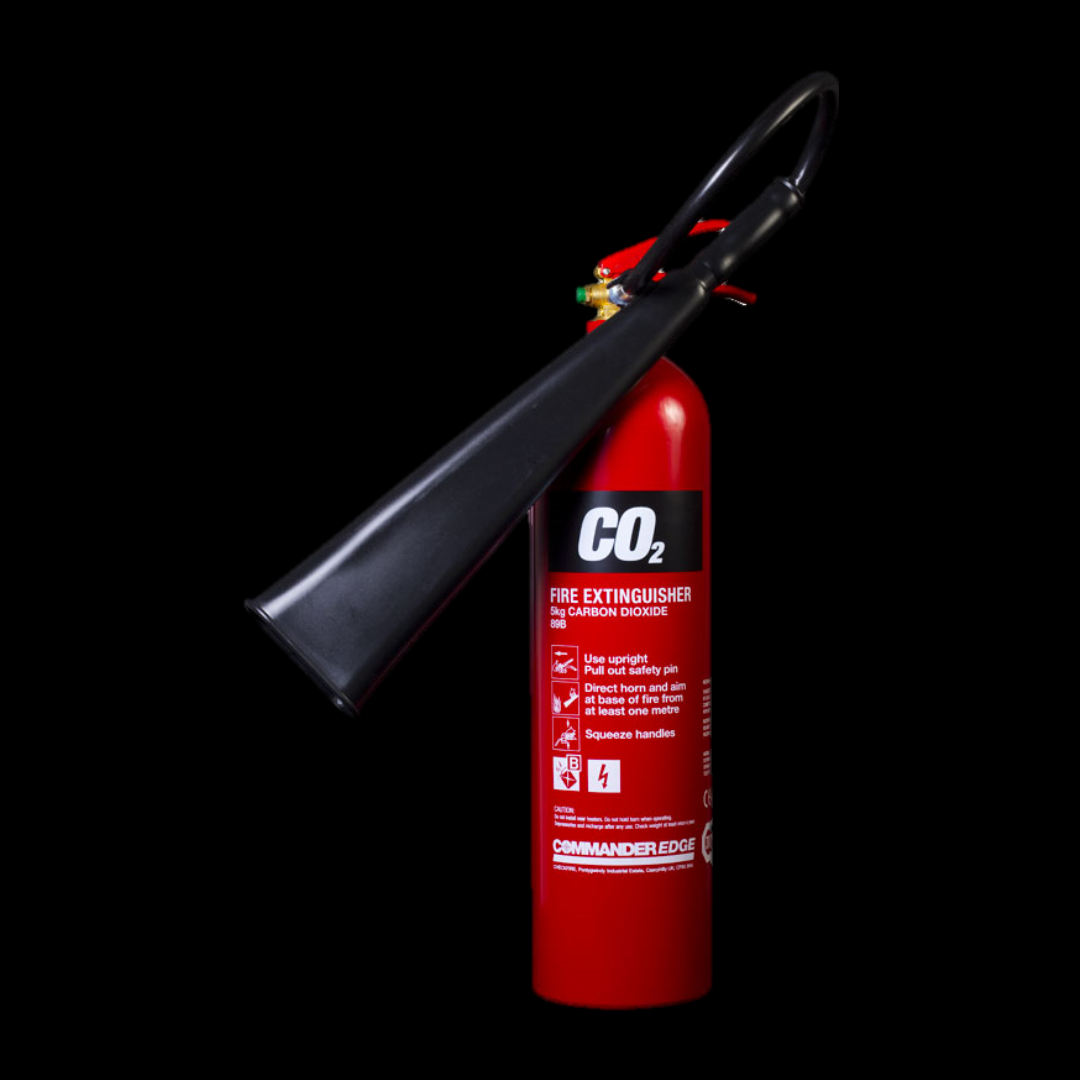
- DISTINCTIVE DESIGN: Red cylinder with a black label and a distinct black horn nozzle.
- HIGH-PRESSURE SYSTEM: Stored liquid CO2 under high pressure in a sturdy cylinder.
2. IMPORTANT CONSIDERATIONS
- NOT FOR CLASS A/F: Ineffective on ordinary combustibles (wood, paper) or cooking oil fires.
- CONFINED SPACES: Can displace breathable air, posing an asphyxiation risk; use with caution.
- COLD BURNS: The horn gets extremely cold; avoid touching it directly.
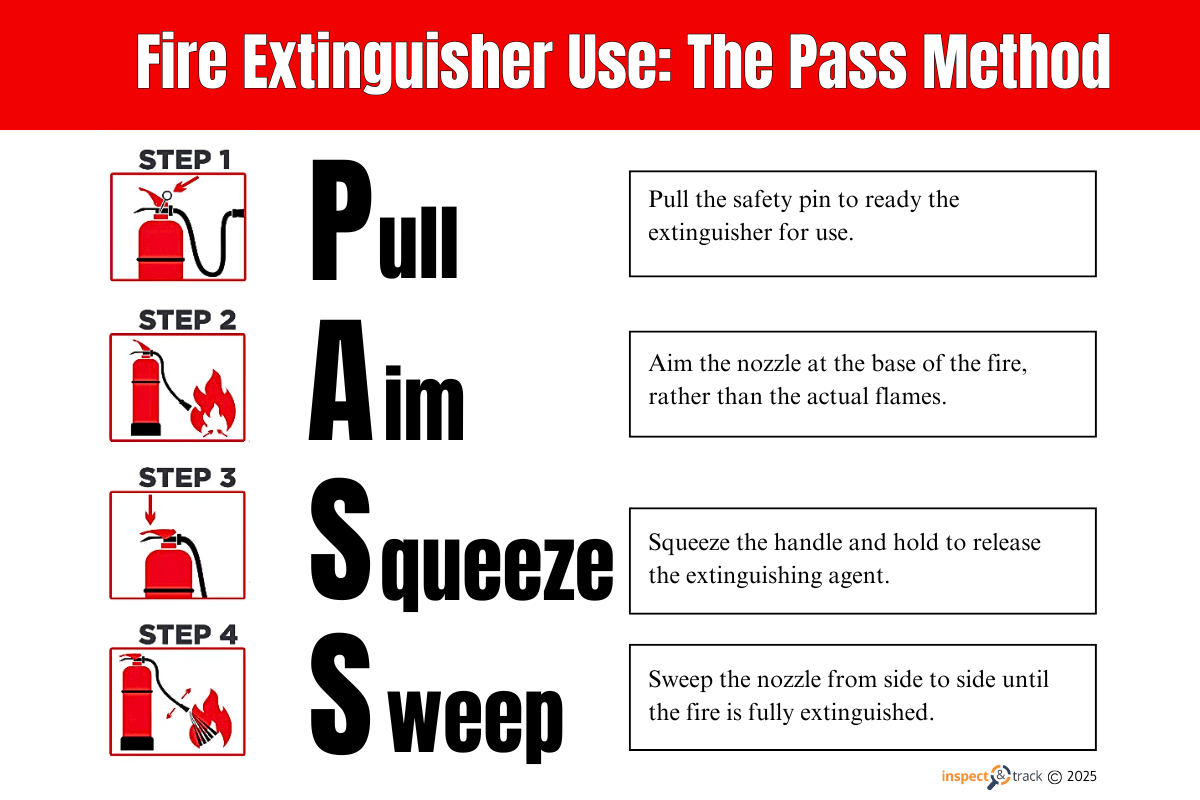
3. PROCEDURES OF USING A FIRE EXTINGUISHER
- PULL the pin. This unlocks the operating lever.
- AIM the nozzle or hose low, directly at the base of the fire, not the flames.
- SQUEEZE the lever slowly and evenly to release the extinguishing agent.
- SWEEP the nozzle from side to side, covering the base of the fire until it appears to be out.






Reviews
There are no reviews yet.