












Description
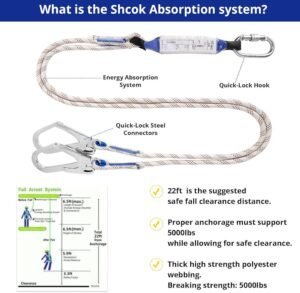
KEY COMPONENTS
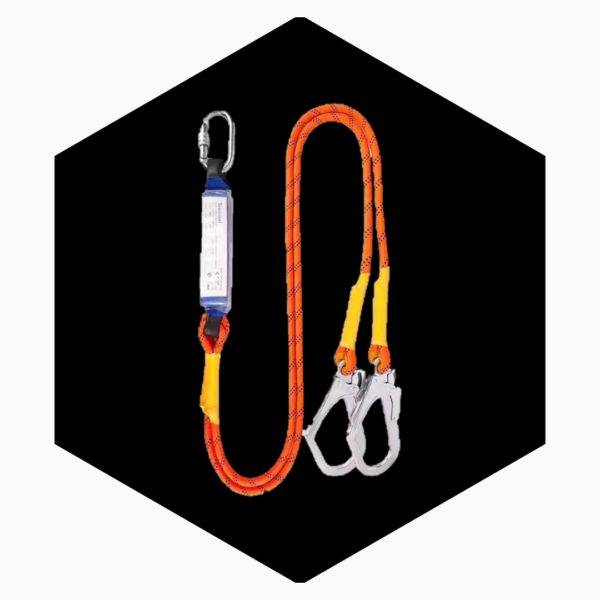
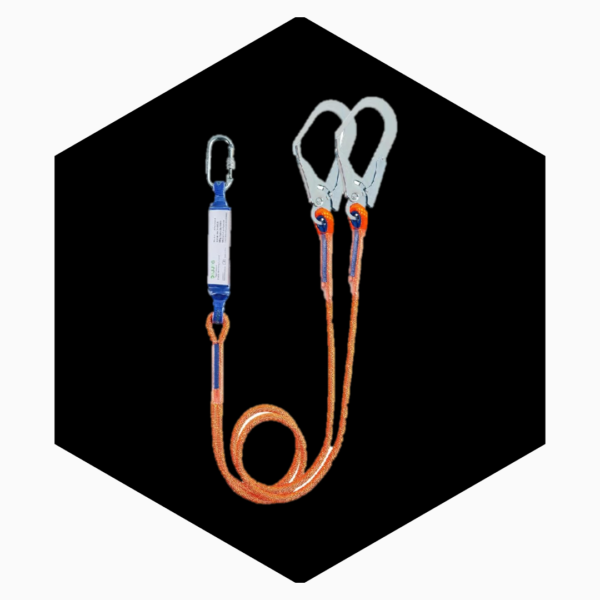
1. TWO LEGS (LANYARD TAILS)
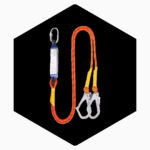
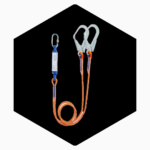
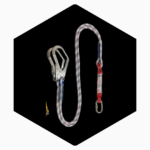
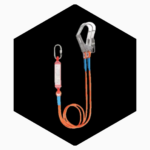
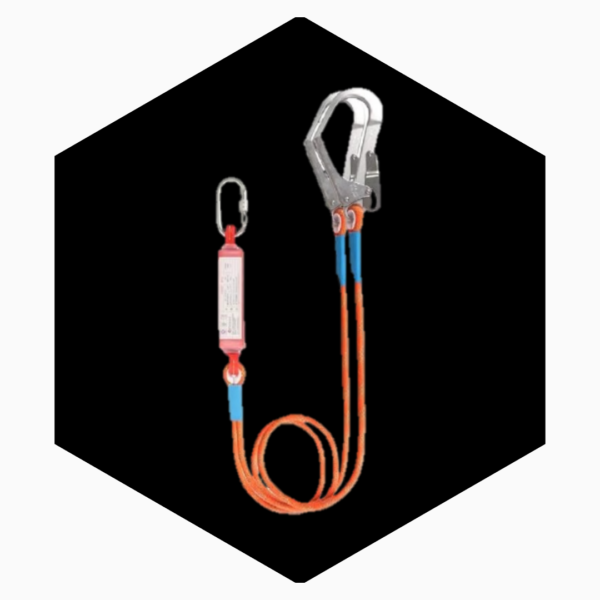
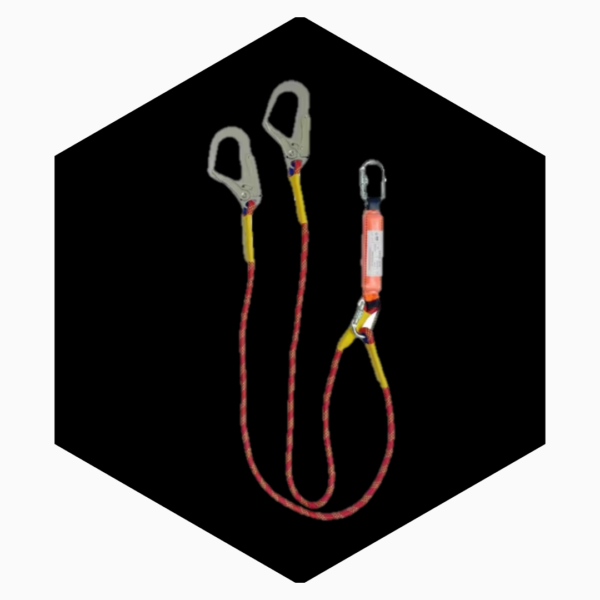
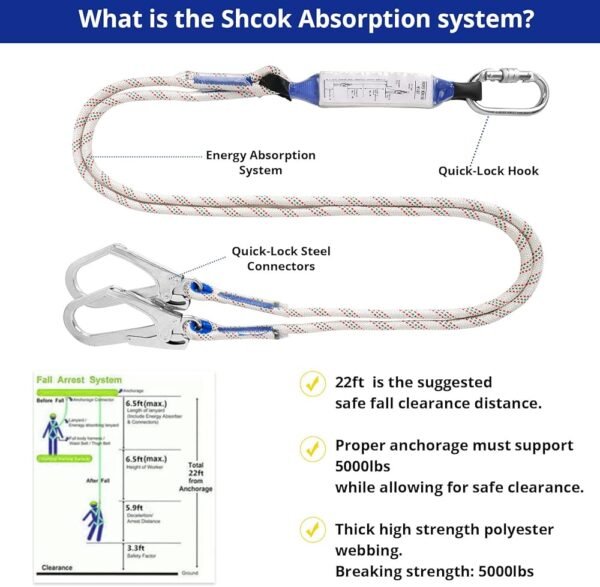
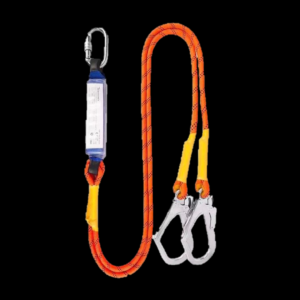
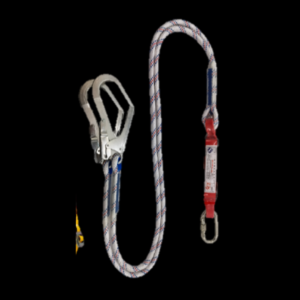
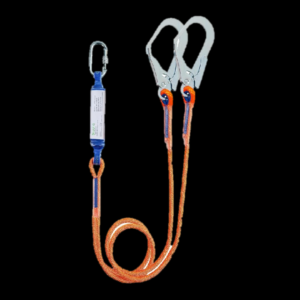
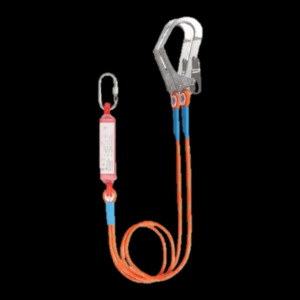
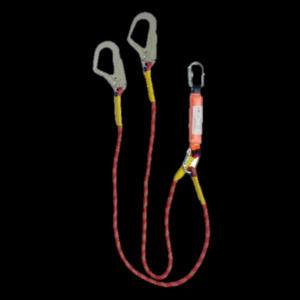
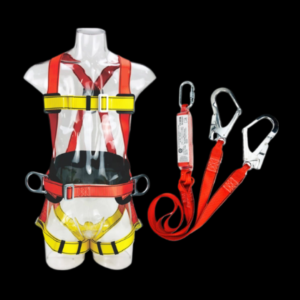
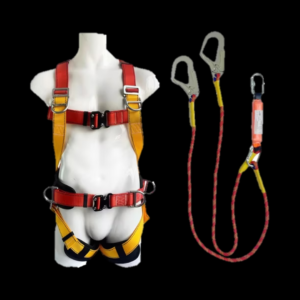
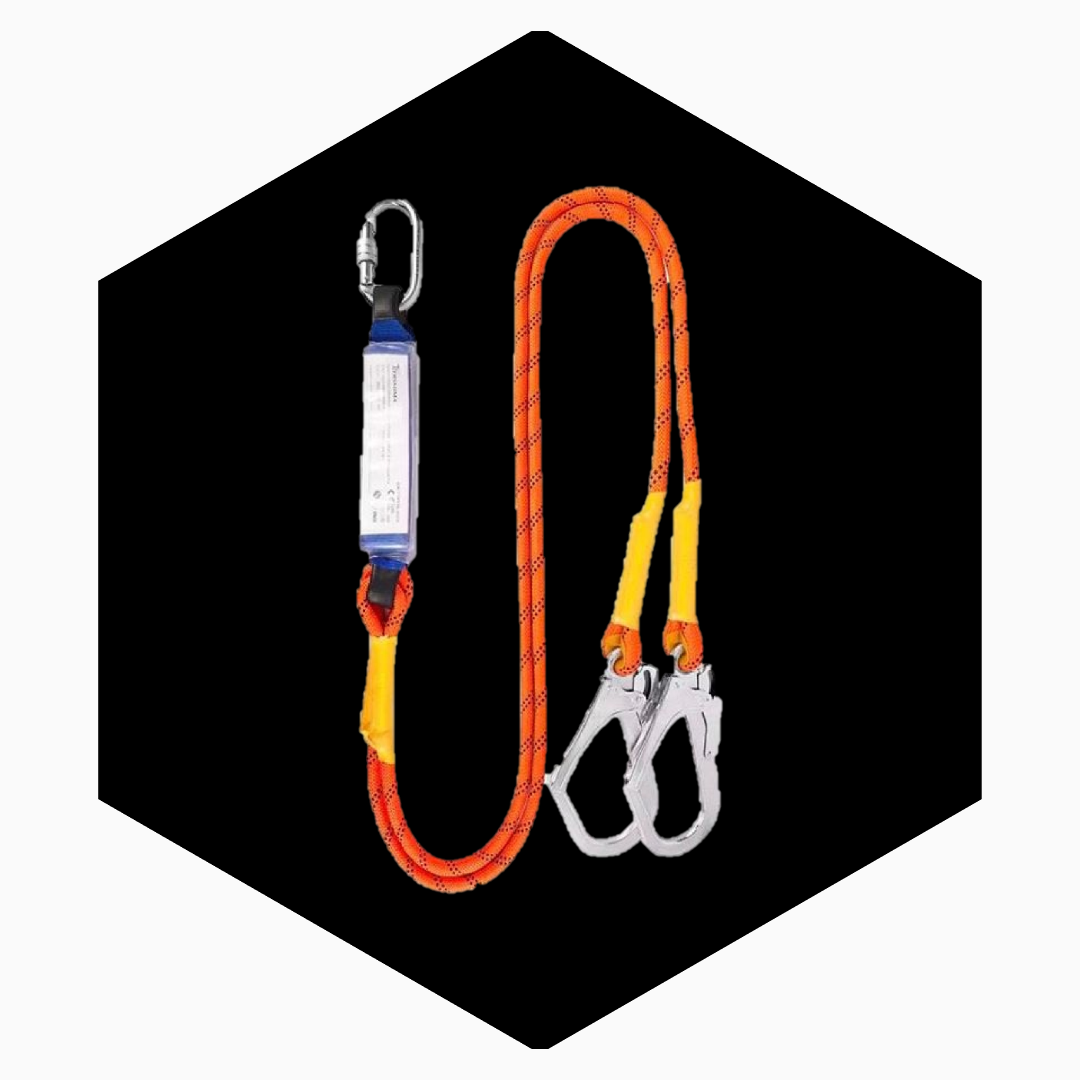
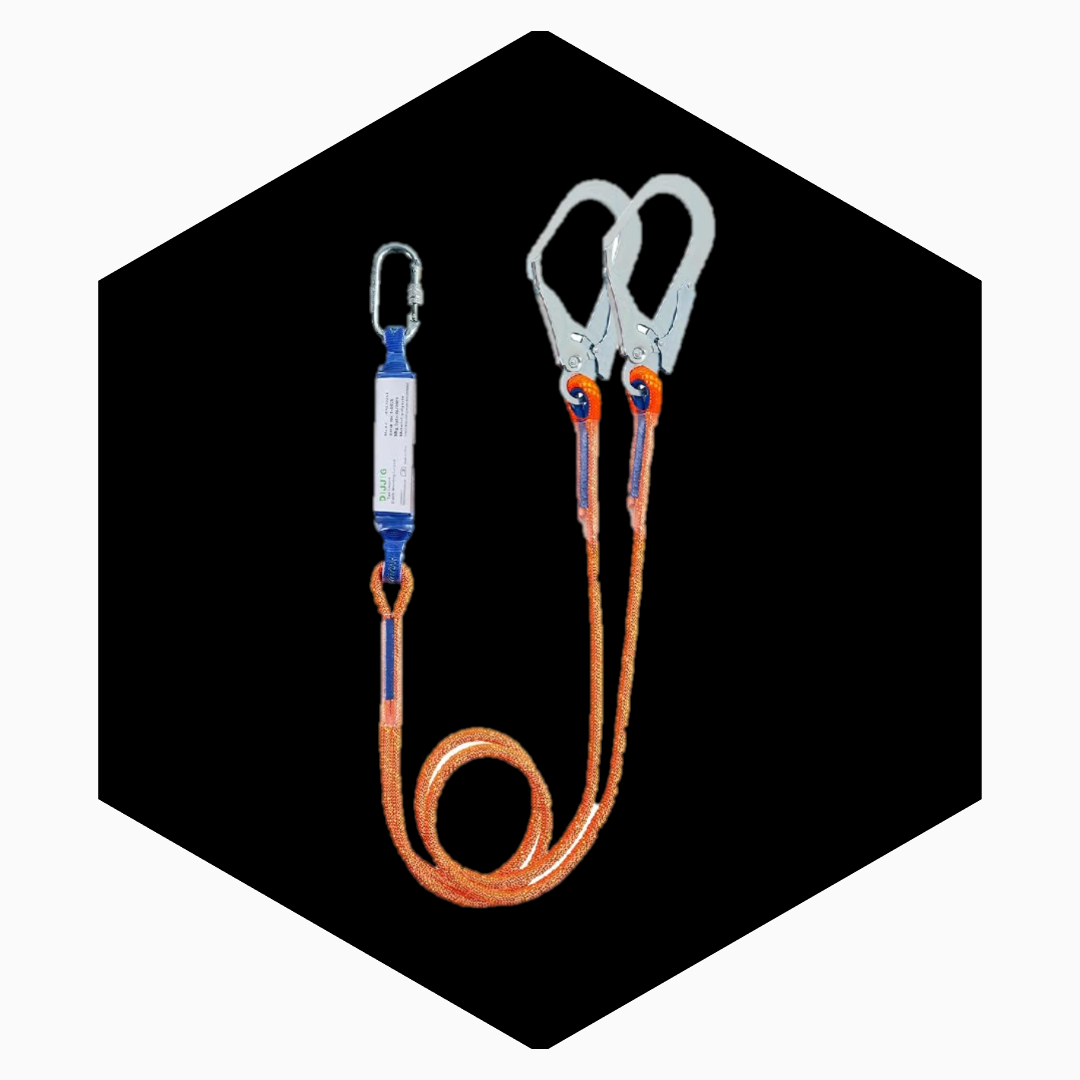
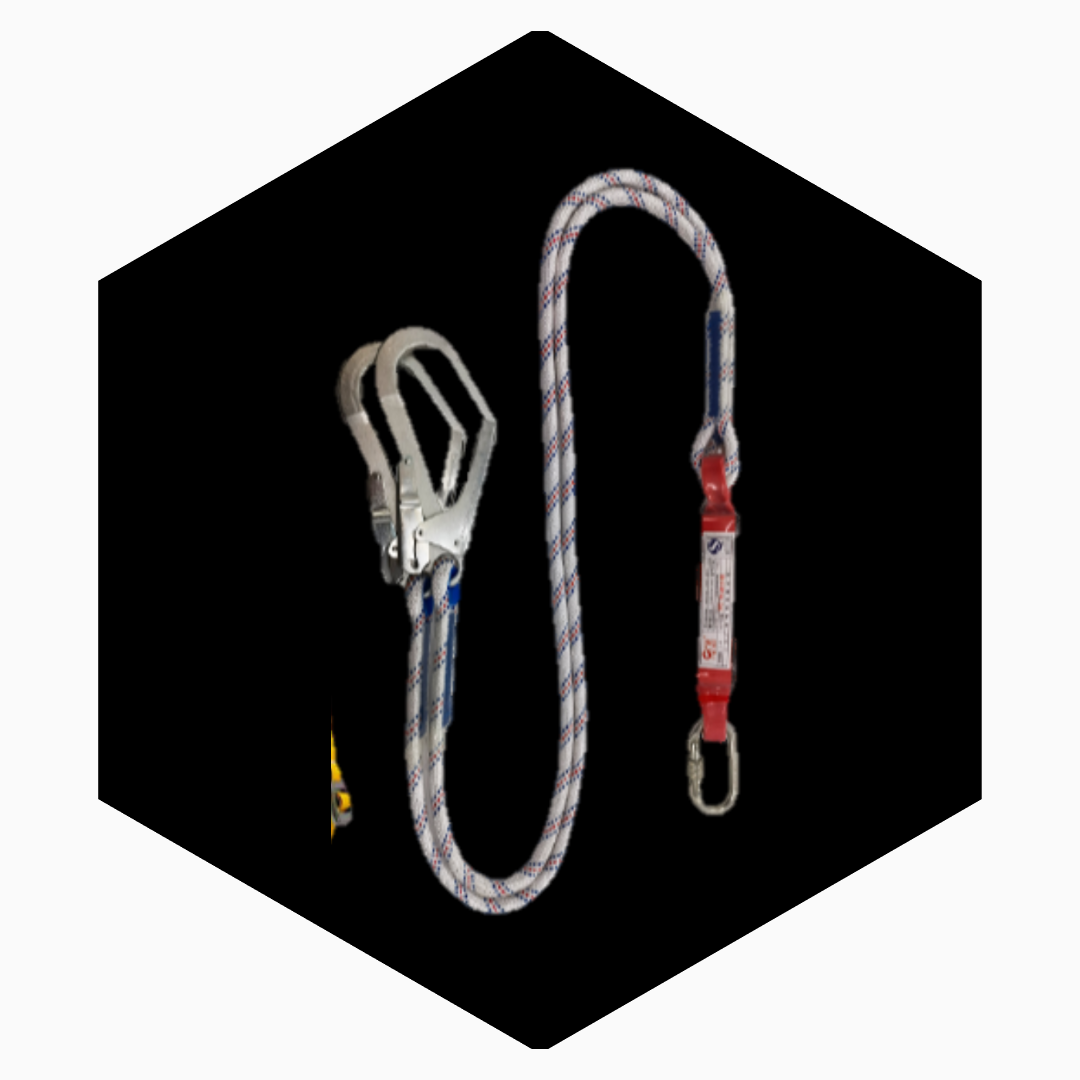
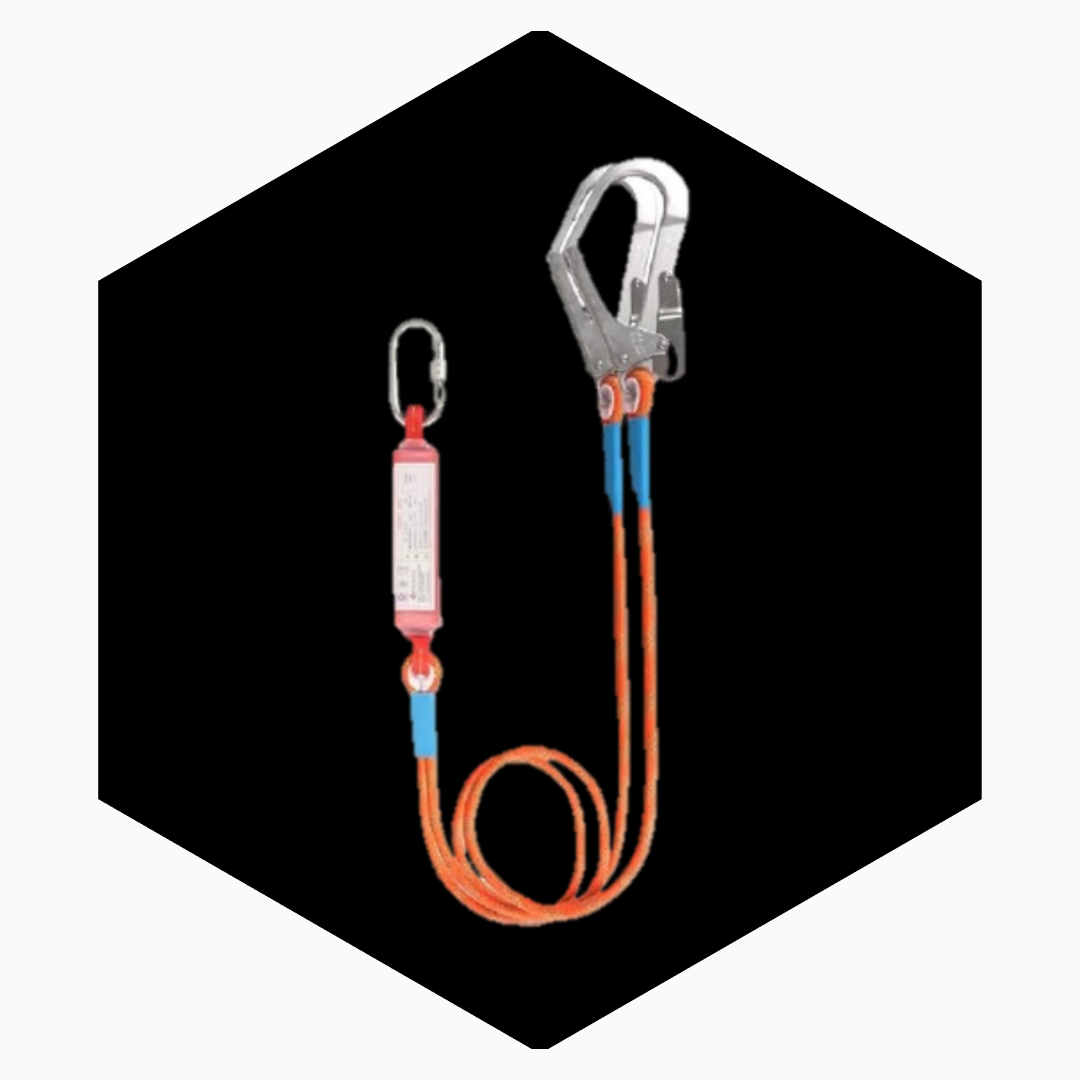
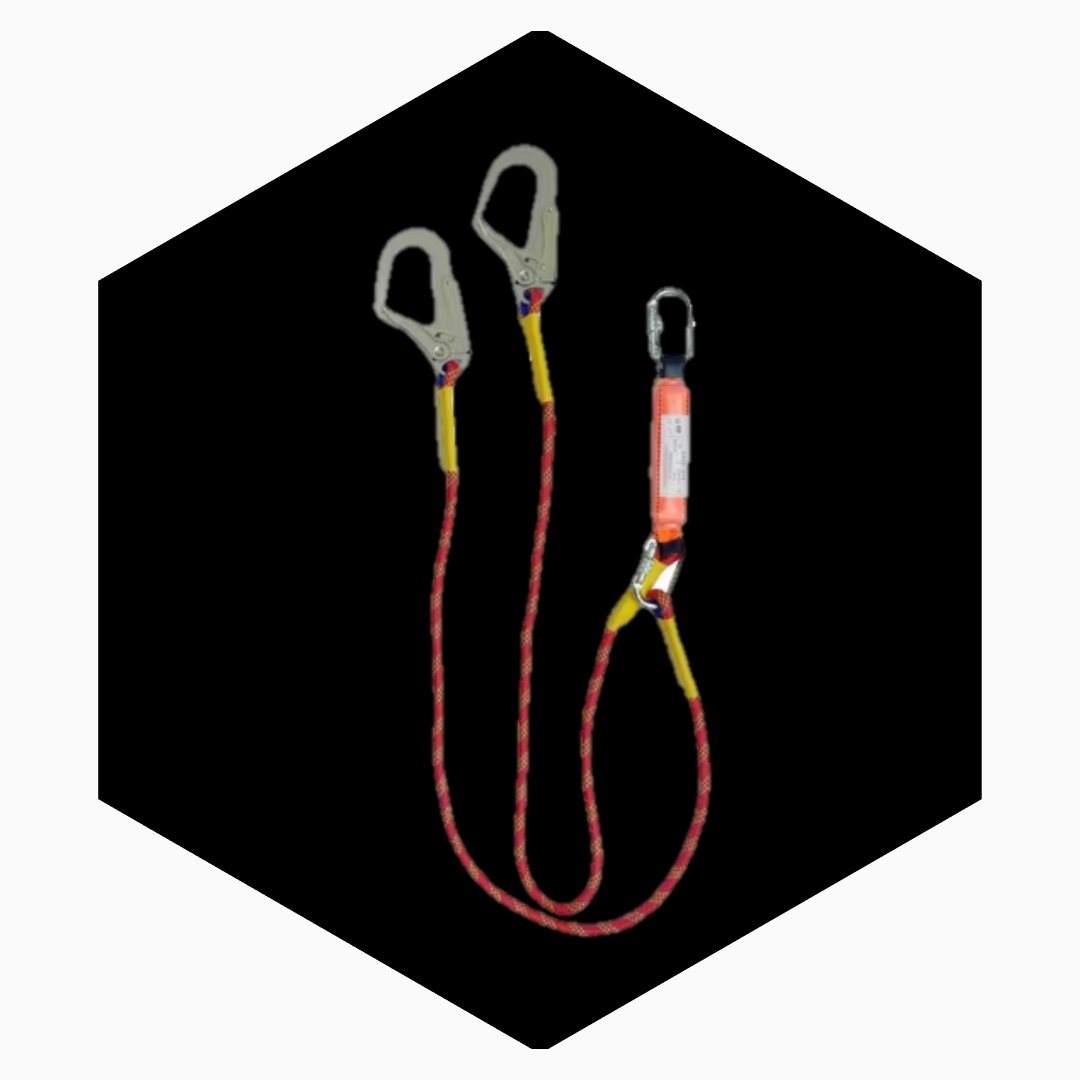
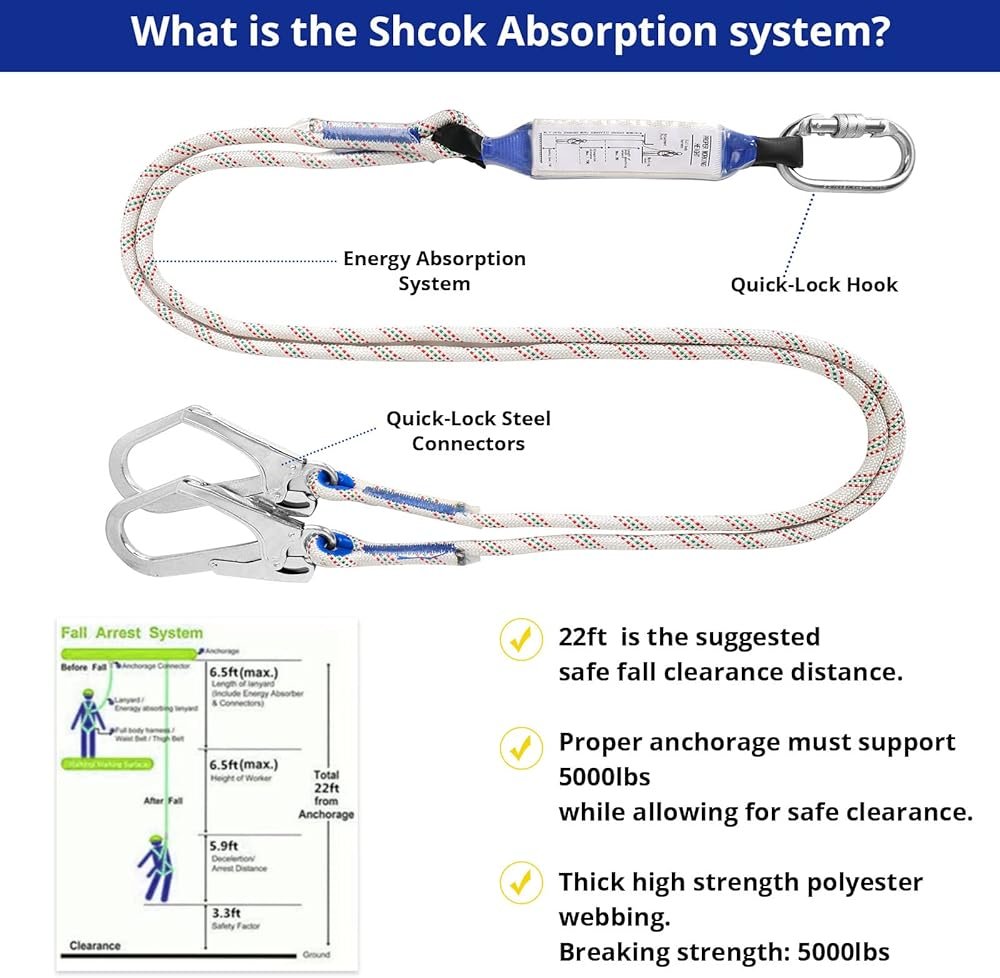
These are the main connector lines, usually made from high-strength polyester webbing, nylon webbing, or polyamide rope for durability and flexibility. They are often designed in a “Y” configuration.
2. DUAL ANCHORAGE HOOKS (SNAP HOOKS/REBAR HOOKS)
Located at the end of each leg, these heavy-duty metal hooks are designed to attach to anchor points. They must be self-locking, double-action (requiring two distinct actions to open) to prevent accidental disengagement. These are typically forged steel or corrosion-resistant aluminum.
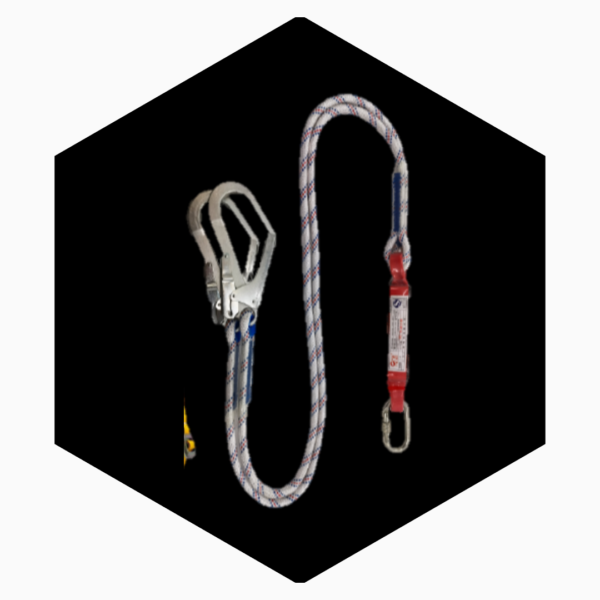
3. SHOCK ABSORBER (ENERGY ABSORBER)
A crucial safety component usually located at the center of the “Y” (near the harness attachment). It is designed to tear or rip upon impact to reduce the fall arrest force on the worker’s body to under 900 lbs (4 kN).
4. HARNESS CONNECTOR
A single hook or carabiner (often a locking screw-gate or twist-lock) at the base of the lanyard, used to connect the entire assembly to the dorsal (back) D-ring of a full-body harness.
5. FALL INDICATORS
Small sewn-in flags or specialized webbing that appear after the shock absorber has been deployed, signaling that the lanyard has been involved in a fall and must be removed from service.
6. OPTIONAL FEATURES
-
- ELASTICATED WEBBING: Many lanyards feature elasticated material that allows the webbing to contract, reducing tripping hazards while the user moves.
- PROTECTIVE COVER/PACK: A durable cover that protects the energy absorber from abrasion, dirt, and UV damage.
7. RFID CHIP
Embedded RFID chips are often included to assist with inventory tracking, inspection, and compliance tracking.




Reviews
There are no reviews yet